

Acupuncture and IVF
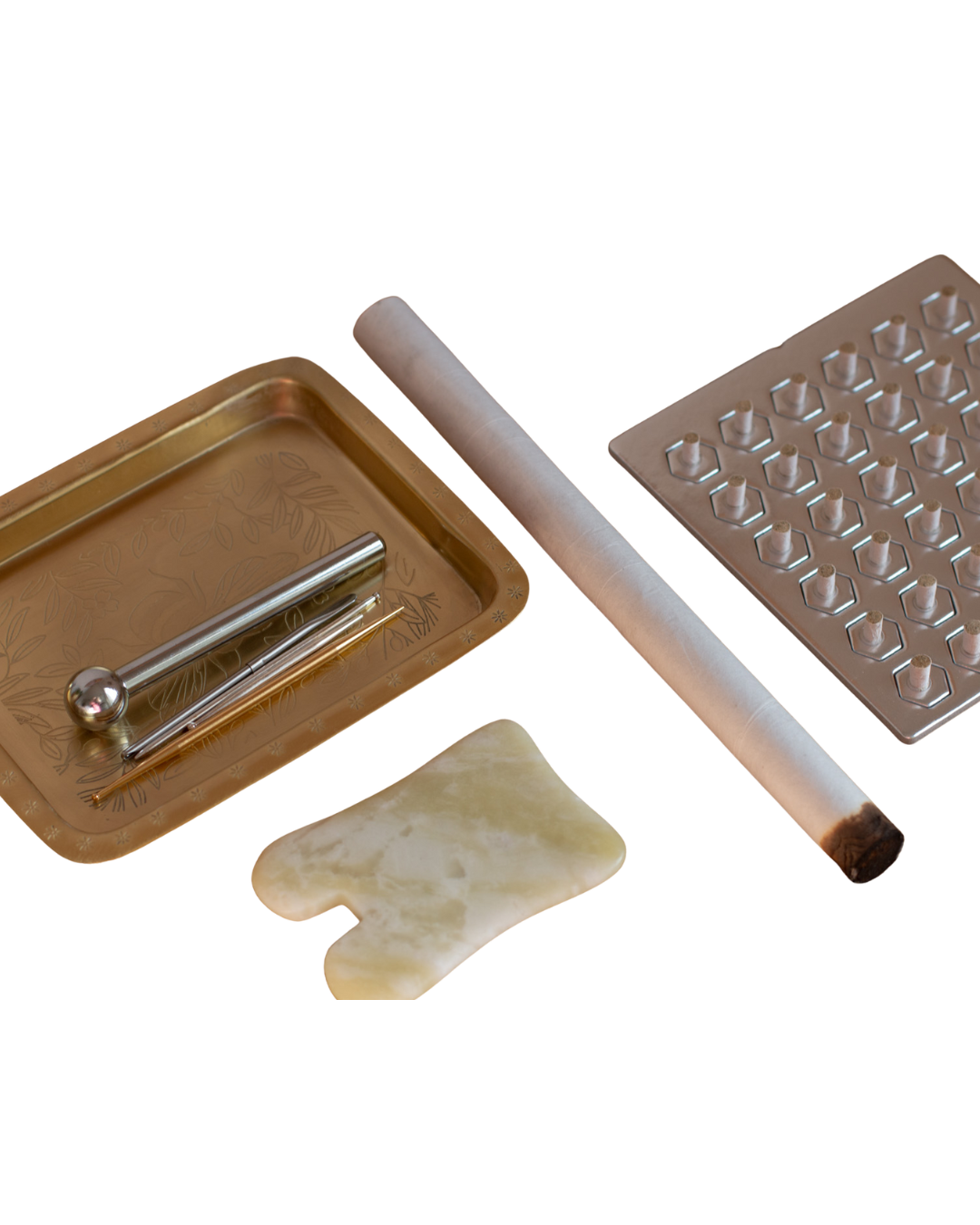
For many people on the IVF journey, acupuncture offers a gentle, evidence-informed complement, supporting the body, calming the nervous system, and nurturing the conditions in which new life can take hold
Benefits of Acupuncture for Fertility
Blood flow to Uterus and Ovaries
The endometrial lining is just as important as the embryo itself. Acupuncture promotes vasodilation, increasing blood flow to the uterus and ovaries. Better uterine lining perfusion is associated with improved embryo implantation rates. The uterine lining plays a vital role in fertility, as an embryo must implant into a healthy lining for pregnancy to occur.
Hormonal Balance
Acupuncture may influence the hypothalamic-pituitary-ovarian axis, helping regulate key fertility hormones including FSH, LH, oestrogen, and progesterone. Helping the body shift out of a high-stress state, which may support more stable hormonal signalling over time. Helpful for people with irregular cycles, poor ovarian response, hormonal imbalances.
Stress & Cortisol Reduction
IVF is huge journey, and is emotionally demanding. Acupuncture may activate the parasympathetic nervous system, lowering cortisol and adrenaline, stress hormones that can negatively affect fertility. Many patients also report feeling more relaxed, sleeping better, and coping more effectively with the physical and emotional demands of IVF.
A suggested protocol
Acupuncture through the IVF Cycle
Pre-cycle · 12 weeks prior
Preparation & Foundation
Timing matters. Research and clinical practice suggest that acupuncture is most effective when integrated consistently across the full IVF cycle, rather than as a single session. However, in Chinese medicine we recommend preparing for at least 3months prior to commencing IVF. We use this time to build blood, energy, balance hormones, and regulate the nervous system.
Stimulation phase
Supporting Follicle Development
During ovarian stimulation (typically days 1–12 of the IVF cycle), acupuncture sessions 1–3 times per week can help the body respond well to medications, reduce bloating and discomfort, and support emotional stability during a physically demanding period.
Egg retrieval day
Before & After Procedure
A session on the day of egg retrieval, ideally within 24 hours before and/or after may help reduce procedural anxiety, support recovery, and ease any cramping or discomfort. Some clinics now integrate this directly into their retrieval protocols.
Embryo transfer · same day
The Critical Window
We recommend having acupuncture either the day before and/or the same day/day after embryo transfer (within 24 hours). This aims to relax the uterus, increase uterine receptivity, and reduce uterine contractions that could impede implantation. Germane Paulus's 2002 landmark study demonstrated a significant increase in clinical pregnancy rates with this approach.
Two-week wait
Implantation Support
During the anxious two-week wait, weekly sessions help manage stress, support progesterone levels, and maintain uterine blood flow while the embryo attempts to implant. Acupuncture in this phase is also to support emotional wellbeing through what is often the most psychologically difficult period.
Pregnancy
First Trimester Continuity
If pregnancy is confirmed, many practitioners recommend continuing through the first trimester to help with nausea, fatigue, and miscarriage prevention in higher-risk patients.
BOOKINGS
all bookings can be made online